
The film Most Likely to Succeed (2015) explores the experience of students and staff at High Tech High, a high school in San Diego, California, that uses an untraditional approach to teaching. Education at this school is heavily influenced by student-led learning rather than following the typical structure of exams, textbooks, and content that we have become used to. Instead, there is an emphasis on teaching soft skills, including confidence and leadership. The goal of this school is to provide students with the skills they will need in a future where they will need to create their own jobs. While I found this film intriguing, it had me wondering: how much freedom is too much in a student’s education?
What Did I Learn
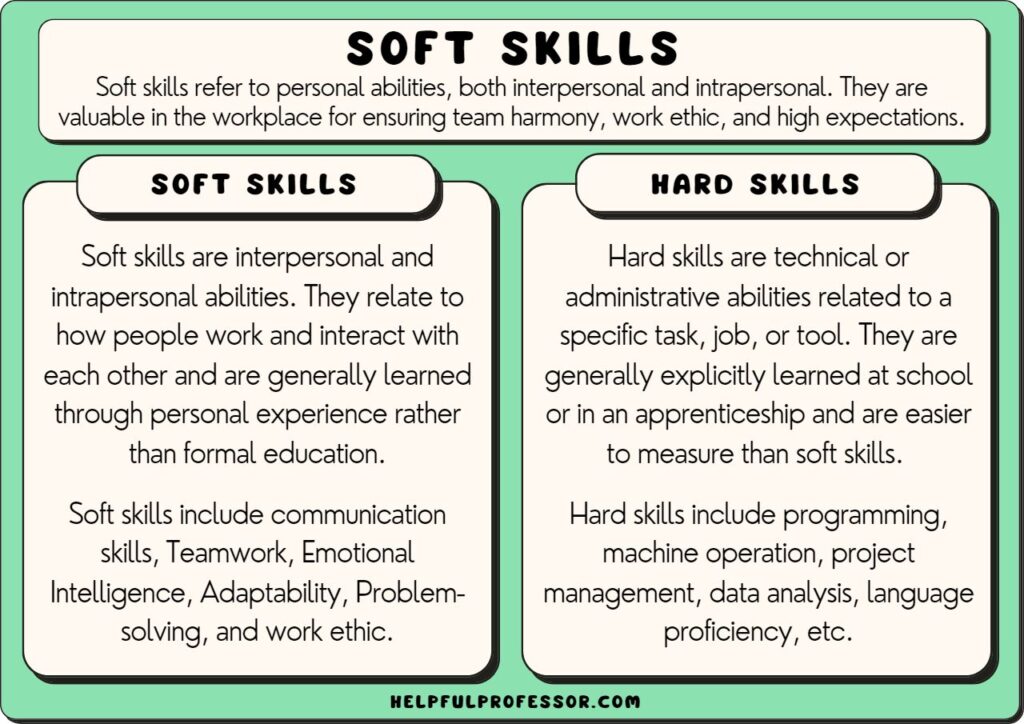
Through watching this film, I gained a lot of insight into student-led learning and the benefits it can have for students. Many students at High Tech High seemed to flourish when given the opportunity to take control of their education and think for themselves. Rather than sitting at desks listening to lectures and studying, students learned through projects, collaboration, and hands-on experiences, which were showcased through an “exhibition night.” I appreciate the emphasis that is put on developing soft skills at High Tech High. This is something I wish was more prominent in mainstream schooling, and something I believe would have been beneficial in my own schooling experience. Skills like communication, problem-solving, leadership, and confidence are essential skills for students to have, as they will benefit individuals beyond school, regardless of the career path they choose.
More information on soft skills.
I will say, I was surprised at how willing students were to participate in this type of unstructured schooling. With as little teacher intervention as there was, I expected there to be more students who were hesitant or resistant to participating in their part of the project. However, it seems as though this system worked well for the students at High Tech High. While I see many benefits to this style of teaching, I am still unconvinced that this is the best way to adapt education, and there are many unanswered questions I have about High Tech High’s education system.
Questions and Concerns
This film raised a lot of questions for me. While I recognize the importance of incorporating student-led learning into education, a system like High Tech High requires us to completely overhaul the education system we have put in place. I found myself being curious about how these students adapt to the education system once they leave High Tech High. The post-secondary system is traditionally designed, requiring students to listen to lectures, study for tests, and absorb mass amounts of content. How do we find the balance between letting students have freedom in their education to learn about what is interesting to them while still setting them up for success in the post-secondary world that is not aligned with this education style?
Additionally, I wonder if this style of education would be beneficial for every learner. Each student is different and has different educational needs; some thrive on structure, routine, and active support from teachers, while others may find that being given freedom to direct their own learning is the most beneficial to them. This conversation is especially important when we consider our diverse learners. Giving every student the same amount of independence and responsibility becomes inequitable when we have learners coming through our system who need additional support in order to be successful.
Applying Student-Led Learning
This film inspired me to further investigate student-led learning and identify how I may be able to incorporate this into my classroom as a future educator. Despite my concerns about High Tech High’s educational style, I still believe there are certain aspects we can take from it to benefit our own students.
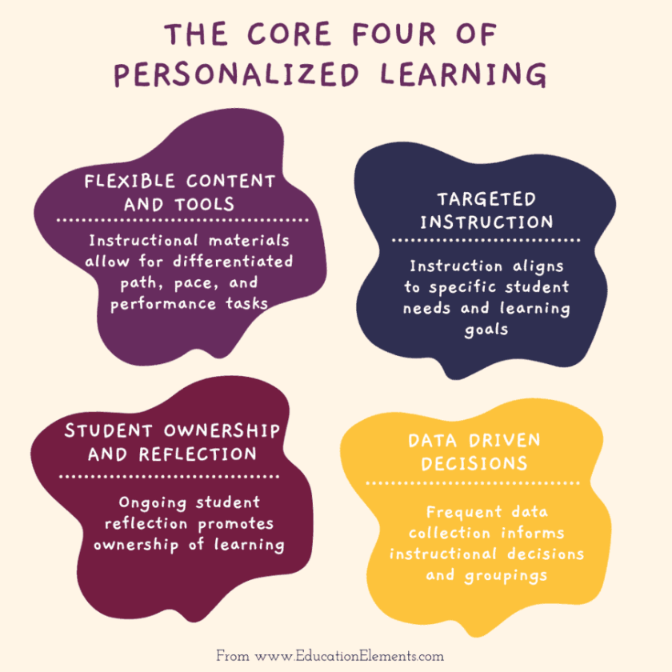
“The core four of personalized learning,” laid out in the image above, really stuck out to me because it shows how student-led learning does not have to include removing all teacher guidance from the learning process. Instead, teachers can provide instruction based on individual student needs and allow untraditional content and tools to be used based on their knowledge of their learners. I believe this is an important balance to have; it gives students the opportunity to have choice and responsibility in their education without expecting them to do it all on their own.
This Teach Empowered article lays out each of the “core four” in more detail, and I found it to be extremely eye-opening during my research in student-led learning.
In a classroom, this could look like allowing students to choose to do an assignment based on a topic they’re interested in and incorporating more collaborative activities into the classroom. Students could also be given choices on how they wish to present their learning for assessment, such as through video, audio, or written work. This way, students can take responsibility for their learning, develop soft skills, and still ensure that curricular expectations are met and students are set up for success if they choose to pursue post-secondary education.
Through watching and reflecting on Most Likely to Succeed (2015), I have come to the conclusion that there is not one level of freedom that works for every student. Rather, I believe the goal should be to know your learners, their interests, strengths, and personalities, and to provide them with as much responsibility over their education as they need to be successful. I am not convinced that the High Tech High model should replace traditional education. However, it did challenge me to reconsider the level of control students can have within the classroom.
Sorry, but comments are not enabled on this site.