
Innovation Hour is an event held at one of the local schools in our city. During this event, students of all age groups have the chance to experiment with different forms of innovation in education. This year, the event had a survival theme, where students had to go to different stations, complete tasks at each station, and work their way to getting their flags to home base. I thought this event was so much fun; I really enjoyed getting to work with different groups of students and experiencing how differently they think.
Innovation Hour in Action
I had the chance to work with two different student age groups. My first group was 6 grade 6 boys. This group was excited. These boys really wanted to participate in all of the hands-on activities, but sometimes their excitement translated into challenging behaviours for my partner and me. This was such an interesting experience for me, as I am used to working with younger students, so learning to navigate big behaviours in older students was really eye-opening. The second group I got to work with were grade 2 students. This group was much more laid-back, but still so excited to participate in the activities. These students were much more cooperative; where my first group had so many different clashing ideas, my second group was able to collaborate and decide on a group plan with very little teacher intervention.
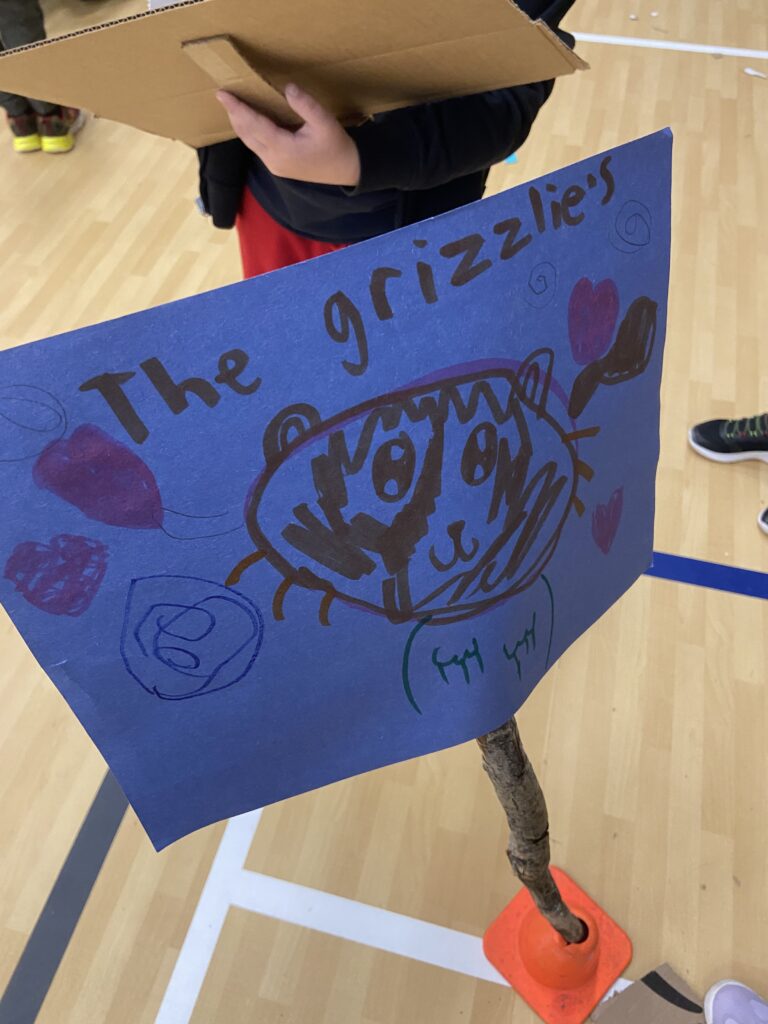
With the two groups of students, I had the chance to try a variety of different stations. The first task for all the groups was to create a team flag and a team name. My first group found it challenging to come up with a school-appropriate name they could all agree on, but eventually landed on “Jimothy.” My second group unanimously decided to name their group after the school mascot, the Grizzlies. They all took turns adding a design to the flag to make it personal to them, and it turned out super cute!
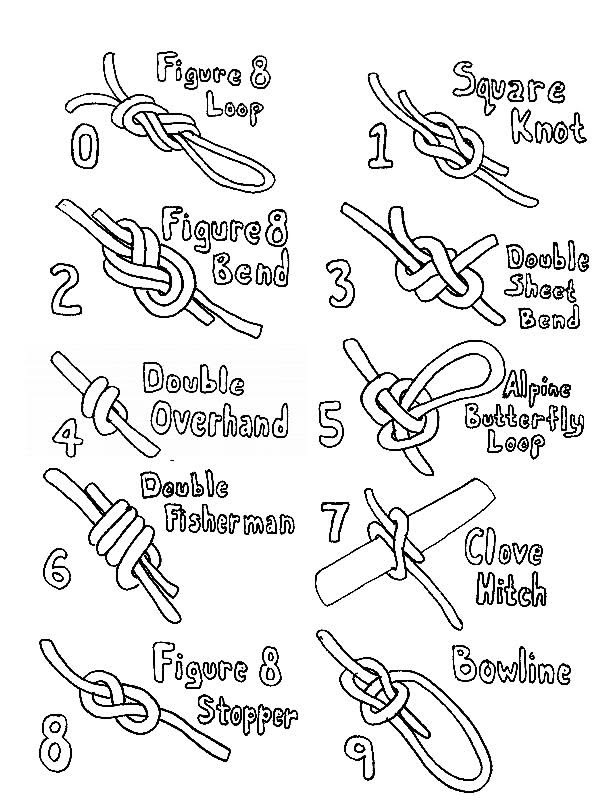
The second activity I did with both of my groups was knot tying. The Grade 6s actually had a lot of fun with this activity and worked hard to tie the best knot. I think their competitive personalities really played a role in this. The Grade 2s, on the other hand, had a harder time with this station. They became frustrated with themselves when they could not complete the complex knot tying. So, we celebrated the little wins when they were able to tie just a basic knot!
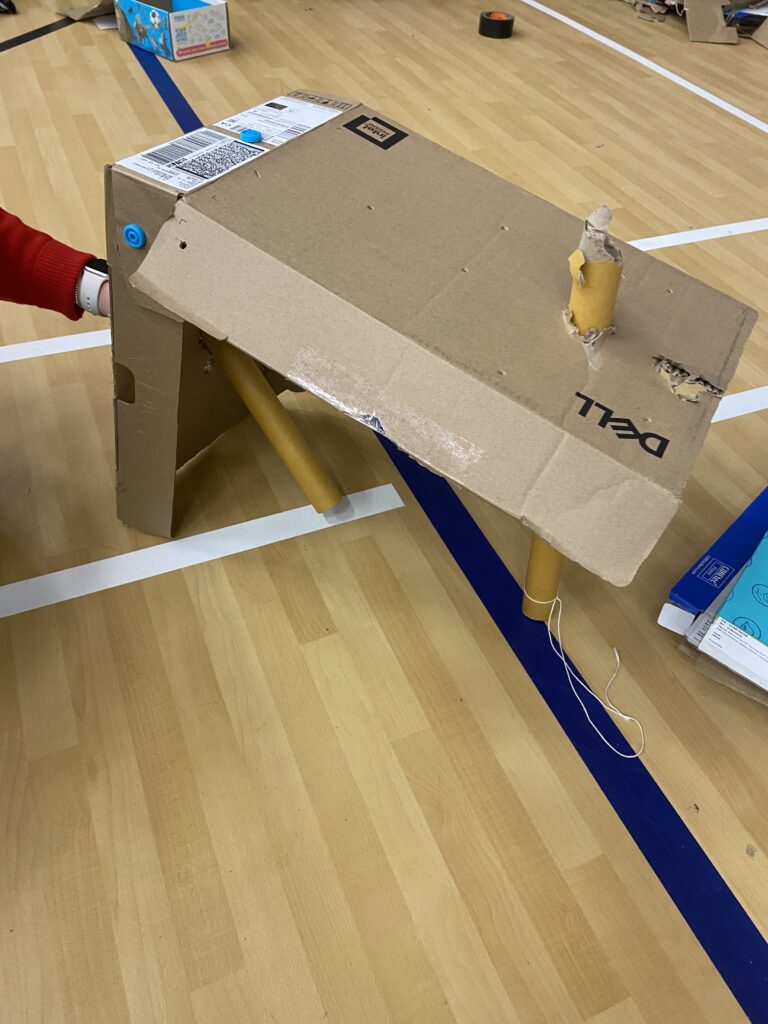
With the grade 6s, we did the animal trap building station because they loved participating in the hands-on activities. Students were asked to create a device to trap (not harm) an animal that had a trigger mechanism to activate it. The students I worked with used cardboard, sticks, and string to make theirs! The string being pulled triggered the trap to fall and trap the animal. I thought this was such a cool and creative piece they ended up creating!
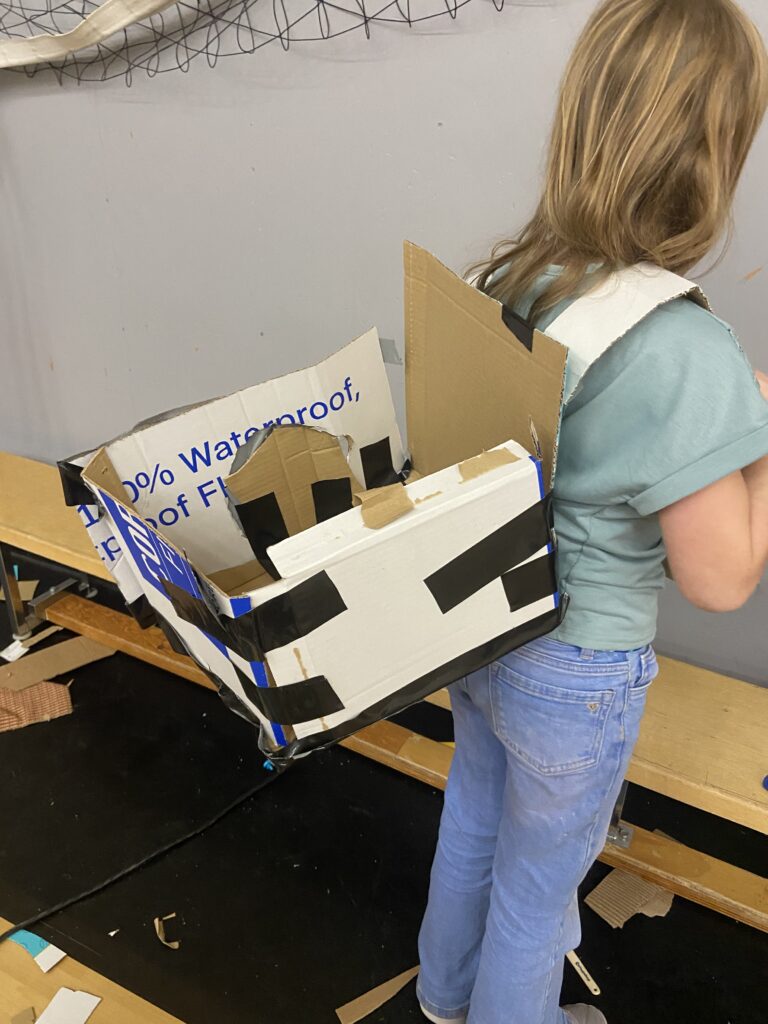
With both groups of students, we used the Chomp Saws, and they LOVED this station! The task was to create something they could wear in a survival situation. The students loved using cardboard and tape to create something. The grade 2s came up with some really creative designs, including a backpack and a tool belt. The Chomp Saw provided students with the chance to use a tool that feels “grown up,” which I believe made them more excited to participate and engage in their creativity.
The final station I was able to do with my group of grade 2s was the AI Lego cars, which connected to an app and moved with specific body movements. While I didn’t get a photo of this station because I was holding the camera for my students, they really loved this station. One challenge with this station was ensuring each student got an equal chance to try it. There was 8 students in my group and only 1 of me so it took quite some time to get through each student. However, I loved how even when it wasn’t their turn, students called from the sidelines, helping their peers and suggesting different movements they could perform to make the car move in different ways!
Innovation in Education
Innovation in education is about finding new and creative ways to make learning more meaningful for students. Often, innovation is associated in our minds with technology, but it can also be about providing opportunities for our students to explore and create in non-traditional ways. Innovation hour was a great example of this; students were encouraged to participate in activities that developed important skills such as:
- Creativity
- Problem-solving
- Collaboration
- Taking responsibility for their learning (student-led learning)
- Seeing mistakes as an opportunity to learn and grow
One thing I really loved about Innovation Hour is that it served as an excellent reminder that learning does not always have to happen in a traditional classroom setting. Important things can be learned through activities such as these that are both fun and educational.
The following video discusses an idea that I think connects to Innovation Hour very well. The future of education is not necessarily found in technology or a specific program. Rather, it is found in the creativity of students and educators, allowing students to explore, experiment, and create in ways that are meaningful to them.
In my Future Classroom …
This experience taught me many things that I want to carry with me into my future classrooms. First, I want to encourage individual student thinking and provide students with opportunities to explore ideas that are important to them. This could be as simple as doing a research project with questions laid out and allowing students to pick their own topic and method of presenting what they have learned. Because every student is different, it is crucial that we, as educators, celebrate these differences and explore them. Allowing students to have a voice in their learning experience is so important and makes students engage more meaningfully. Secondly, I want to incorporate more hands-on learning in my future classroom. When I look back at my own school experience, if my learning had been less focused on testing and writing essays, I think I would have been more engaged and had a more enjoyable experience. Hands-on learning helps students not only build fine motor skills, but it also helps them engage and become better collaborators and problem-solvers. Finally, I want to create a classroom environment that makes students feel safe taking risks and making mistakes. Activities like the ones presented during Innovation Hour allow students to approach challenges in many different ways, and some didn’t work the first time. I want my future students to know that making mistakes is not something to be embarrassed about, but rather, they are an opportunity to learn and grow.
Sorry, but comments are not enabled on this site.